Intelligent Energy Practices For Modern Homes.
Transition your everyday living spaces into high-performance, resource-efficient ecosystems. Explore deeply researched carbon reductions and simple spatial conservation guides.
Everyday Energy Savings
Optimizing standard domestic routines yields compounding reductions in financial expenditure and micro-carbon atmospheric load factors.

Lighting Efficiency
Transitioning home illumination networks to solid-state LED systems eliminates thermal conversion waste entirely, delivering clean, customized luminescence scales at a fraction of standard wattage draws.
Proper distribution layouts coupled with intelligent dimmer arrays ensure spatial harmony while preventing unnecessary luminance overlaps in daytime hours.

Heating and Cooling
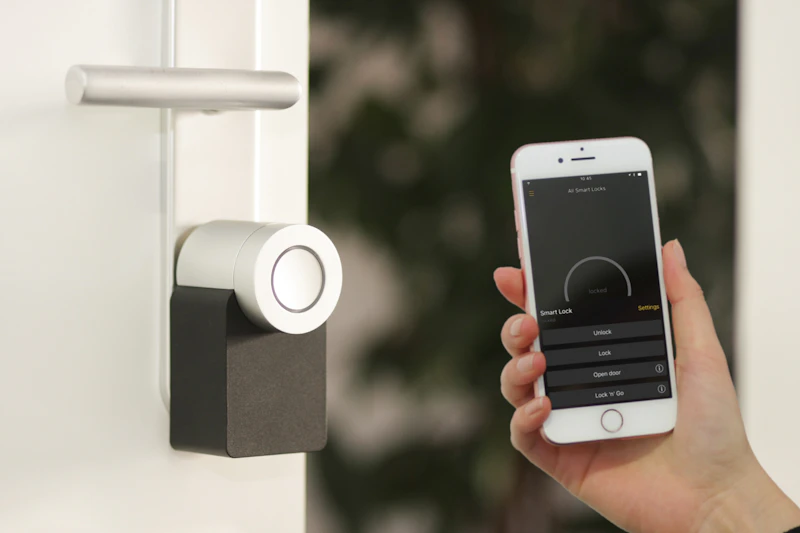
Automated climate adjustment setups respond actively to room occupancy profiles, preventing wasteful temperature control when areas are empty while protecting structural insulation health parameters.
By establishing moderate multi-zone baseline variations, homeowners safely minimize structural heat transfers and lower continuous HVAC operations cycle loads.

Smart Appliance Usage
Configuring internal washing and cooking cycles to operate primarily during off-peak demand hours stabilizes municipal power load distributions while avoiding high baseline utility costs.
Modern Energy Star certified machinery employs dynamic sensory monitoring elements to evaluate exact load densities, scaling structural intake resources directly.
Energy Statistics
Household Savings Annual Average
Carbon Reduction Impact Metrics
Renewable Energy Growth Trends
Efficient Insulation Impact Gain

Smart Thermostats
By studying how residents move through living spaces over time, learning thermostats adjust home temperatures automatically. This matches room comfort parameters with actual spatial use, preventing the cost of continuously conditioning empty rooms.
Insulation
Sealing leaks along attic layouts and window frames remains one of the fastest ways to lower heating and cooling costs. Creating an airtight thermal barrier helps stabilize indoor temperatures naturally all year round.
Water Conservation
Installing low-flow aerators across kitchen and bathroom setups controls unnecessary volume usage without affecting rinse velocity. This system lowers water delivery costs while reducing the power required by hot water tanks.
Seasonal Maintenance
Replacing air filters and cleaning external condensing parts regularly prevents system blockages. Well-maintained climate infrastructure uses significantly less electricity to cycle airflow cleanly.
Renewable Options
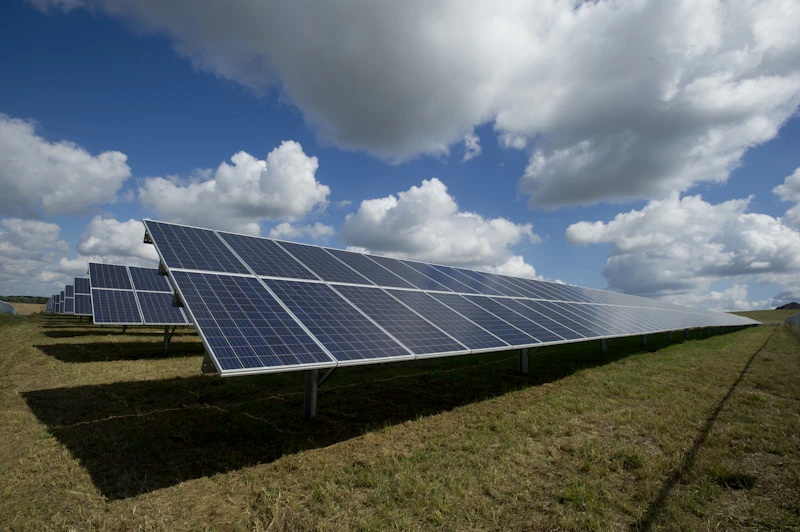
Pairing your home layout with micro-solar components or participating in local green energy cooperatives completely cuts reliance on legacy carbon power grids, driving down home operational impacts permanently.
Featured Solutions
Solar Panels
Converting clean photovoltaic energy on-site to build resilient, self-sustaining home power structures.
LED Lighting
Upgrading structural fixture specifications to maximize safe luminous clarity outputs without standby power leakage.
Home Insulation
Filling hard-to-reach wall spaces to prevent structural draft leaks and keep thermal energy balanced across seasons.
Smart Plugs
Automatically cutting off standby current leaks to stop phantom energy use from idle gear and appliance hubs.
Efficient Windows
Installing gas-filled window barriers to deflect external solar heat while keeping conditioned air inside.
Energy Monitoring
Using real-time circuit diagnostic monitors to identify and flag inefficient home devices instantly.
Home Efficiency Timeline
A structured step-by-step framework designed to systematically transform raw architectural footprints into clean, highly optimized preservation spaces.
Energy Audit
Use specialized thermal imaging cameras to discover exact heat loss locations and pinpoint air draft corridors hidden behind interior walls.
Identify Waste
Track daily resource drops across baseline operations to isolate hidden performance faults and evaluate system behaviors.
Upgrade Equipment
Swap out older baseline HVAC components for modern energy-efficient models to lower operational electrical requirements.
Monitor Usage
Connect circuit data streams to mobile dashboard trackers to stay informed about daily consumption spikes and optimization steps.
Save Monthly
Observe compounding asset reductions on statements as structural refinements effectively lower overall grid reliance.
Long-Term Sustainability
Anchor lifestyle shifts to self-adjusting architectural networks, maintaining sustainable metrics for generations.
Community Stories
Real-world conservation tracking from homeowners who converted aging layouts into high-performing eco ecosystems.

The Pacific Coast Homestead Conversion
"By sealing air drafts along our ceiling frames and integrating multi-zone smart thermostats, we dropped our electrical baseline dependency by 42% in six months without sacrificing interior workspace warmth."
The addition of micro photovoltaic modules later allowed total daylight grid independence, offsetting baseline seasonal variances elegantly.

Urban Brick Loft Modernization Restoration
"Handling historical insulation challenges meant using double interior window glazing systems and high-density smart plugs across the property layout."
The tracking dashboards show phantom asset draw dropped instantly to zero, showcasing the value of simple lifestyle adjustments.

The Eco-Resilient Rural Development Initiative
"By anchoring our water heating requirements to solar-thermal panels and managing laundry appliance runtimes, we became a net-positive energy asset for the local grid system."
Sustainable engineering choices combined with conscious, careful habits deliver long-term value across generations.
Frequently Asked Questions
Clear, direct educational breakdowns answering standard questions about structural home energy management.
Sealing structural frame draft corridors and setting smart automated thermostat ranges yields rapid double-digit cost drops with minimal layout friction. Eliminating continuous phantom draws from entertainment centers using smart plugs also provides immediate drops in daily consumption baselines.
These devices analyze historical occupancy flows to build automated climate profiles. This prevents the heating or cooling of unoccupied zones, automatically lowering baseline energy loads when family members are away at work or asleep.
Rax photovoltaic cells harvest sunlight, converting it from direct current into alternating power options through central invertors. This provides clean energy during daylight hours, while battery setups store extra electricity to run your home smoothly through peak evening demand times.
Focus first on major home appliances that run continuously, such as aging refrigerators, followed by heavy heating and cooling infrastructure like water heaters and clothes dryers. Choosing Energy Star certified upgrades ensures your new appliances use minimal electricity across all cycles.
Installing low-flow shower fixtures and fitting aerators onto bathroom faucets dramatically lowers warm water consumption. This reduces the daily thermal workload on your central water heaters, lowering your utility costs while saving precious water resources.